Transcranial Magnetic Stimulation (TMS)
What is TMS?
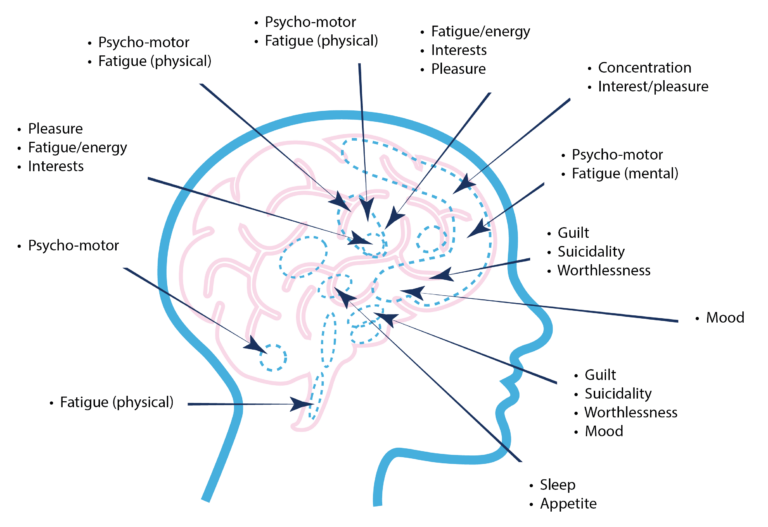
Transcranial Magnetic Stimulation is a proven treatment for Treatment Resistant Major Depressive Disorder, Post Traumatic Stress Disorder and Generalised Anxiety Disorder as well as Chronic Pain and Tinnitus. There is also emerging evidence that it assists with Panic Disorder, Obsessive Compulsive Disorder, Bipolar Depression and chronic neurological conditions like Parkinson’s Disease. The treatment has very low side-effects as it isn’t a chemical treatment.
Conditions We Treat
Chronic Neurolgical Conditions
Generalised Anxiety Disorder
Tinnitus
Obsessive Compulsive Disorder
Post Traumatic Stress Disorder
How TMS Works
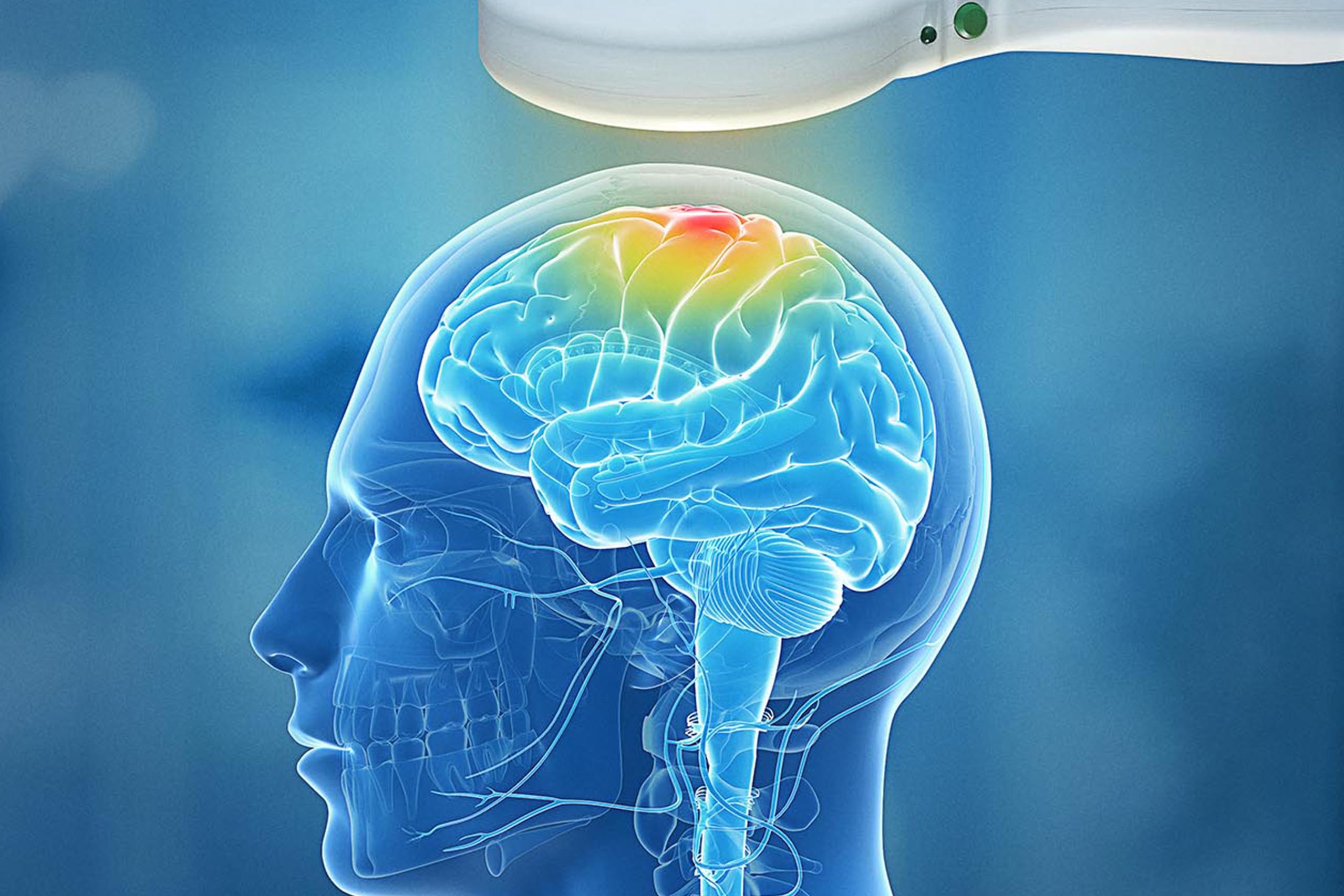
The TMS machine creates a powerful magnetic field through a coil, which is placed next to the head at a carefully marked point (usually the dorsolateral prefrontal cortex).
The field penetrates about 1.5cm into the cerebral cortex and tends to make brain cells communicate better. Other than some mild scalp discomfort and occasional headaches, there are no real side effects.

Who can have TMS?
The only people not suited for TMS are patients with a history of epileptic seizures or this with intracranial metal for example cerebrovascular shunts or conductive metal plates. During TMS patients are conscious and tend to have therapy with our trained mental health nurses or psychologists.
What is the Process?
An initial treatment course is 30 sessions and usually by 20 sessions a participant will be able to tell whether the treatment is helpful. Following the initial 30 sessions there is usually progression to maintenance TMS which can be weekly to monthly. We provide initial outcome measures (DASS21, GAD-7, PCL-5 and others) and then progress outcome measure to measure and demonstrate the treatment effect for you and your referring doctor. We will also put this data on graphs to make explanation easier.
Side Effects Compared
TMS is a localised treatment which only effects a small area of the brain, therefore it can be an effective treatment without any major side effects. Here’s how TMS’s side effects compares against other common treatments.